
Our Initiatives
From Vision to Action
Our vision, which centers on the voices of survivors and the sustainable transformation of systems, only takes on meaning if it translates into concrete, measurable actions carried out on the ground. Our work unfolds on four complementary fronts: legal support for victims; prevention, awareness-raising, and training; institutional advocacy; and the fight against abuse in institutions.
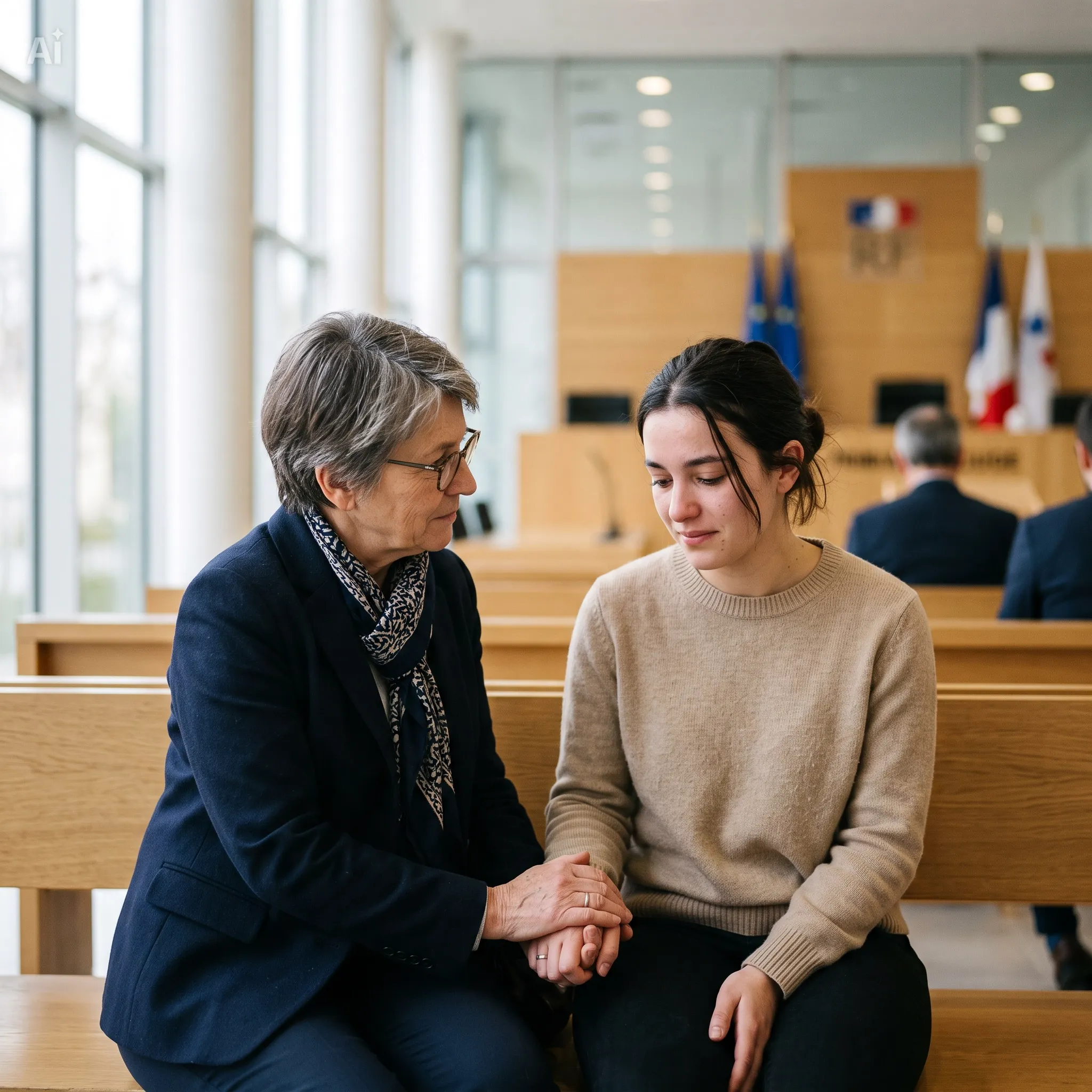
1. Legal action: joining the case as a civil party alongside the victims
Legal recognition is a crucial step in the reconstruction process. That is why Elien Rebirth joins legal proceedings as a civil party, alongside the victims and their families.
2. Prevention, Awareness, and Training
Prevention is our primary focus. We implement awareness and training programs for institutions, professionals, and the general public, in collaboration with our partners. Three priorities guide our actions.
- Institutions and professionals: Train those who work directly with children and vulnerable populations (in the medical-social, educational, judicial, and law enforcement sectors, among others) to recognize subtle warning signs and encourage open communication.
- Rural areas: Implement initiatives in areas with the lowest coverage, where isolation hinders reporting.
- Disabilities: Systematically incorporate this issue into all of our prevention modules.
A major blind spot: single women without children who are survivors of childhood abuse, whether they are able-bodied or have a disability
Our president has experienced this firsthand (see her testimony in “Our Vision”): since they are neither mothers nor identified dependents, these survivors fall outside the criteria of virtually all public support policies, which are designed around the nuclear family. With no children to protect in the administrative sense, they become statistically invisible—absent from data, support systems, and priorities. Elien Rebirth has chosen to explicitly amplify their voices so that they are no longer overlooked.

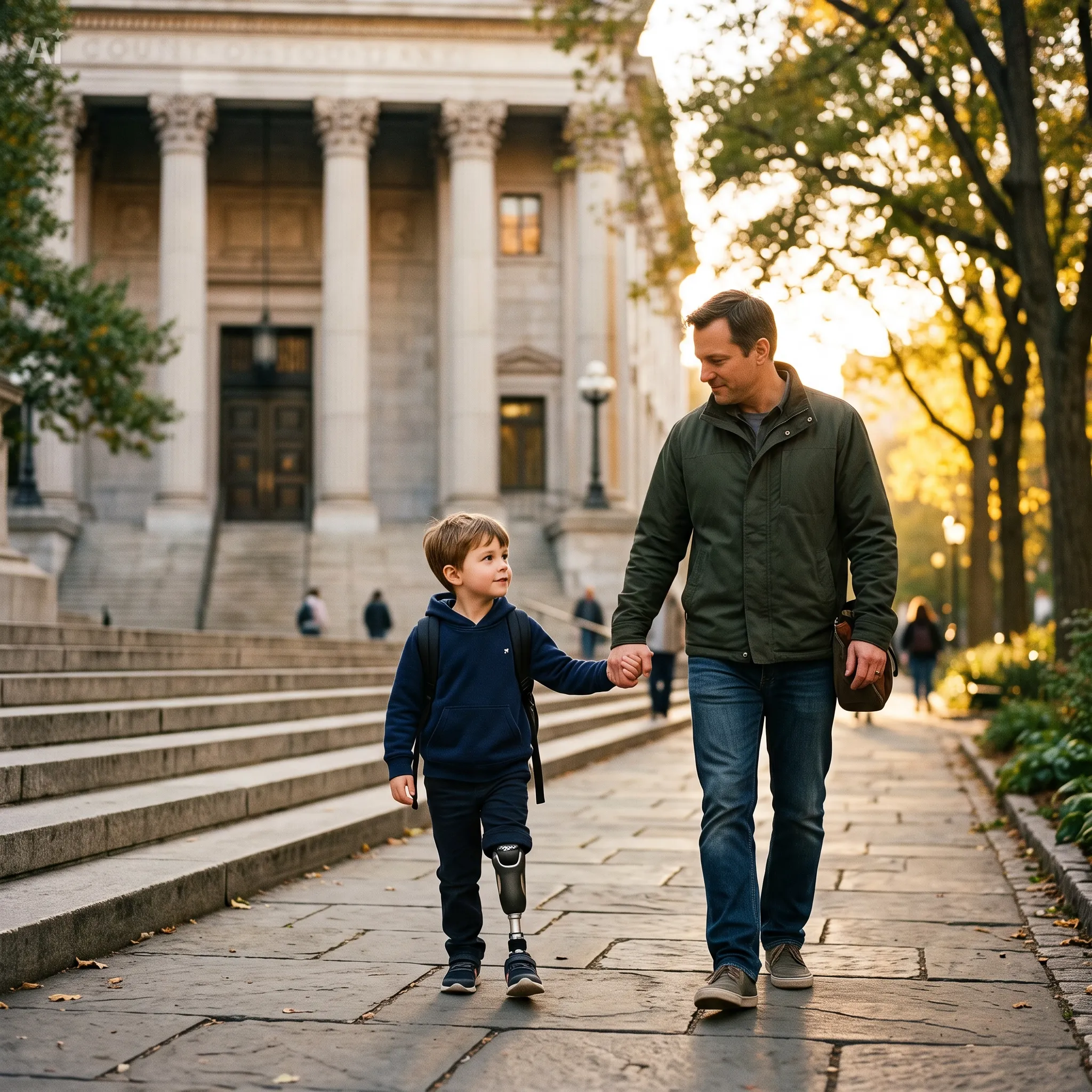
3. National and European Advocacy: Toward Protection Without Blind Spots
We actively advocate with national and European authorities to advance legislative frameworks, strengthen cross-border cooperation, and disseminate best practices in the fight against child sexual abuse. Our advocacy addresses all points in the system where protection may be compromised, including in areas that may seem unrelated to the issue, such as the administrative processes for people with disabilities.
- The digital divide in public services: As of January 2026, only 7% of major online public services comply with accessibility requirements—far short of the goals set by the government. For a child with a disability who is a victim of abuse or for their family, this failure delays access to vital rights (recognition of the disability, compensatory assistance, and medical and social support). For an adult survivor, it is yet another obstacle on an already difficult path to recovery.
- The Ordeal of Changing Departments (the Double Punishment): For a person with a disability who is a victim of violence, a move made necessary by legal proceedings (to get away from the abuser) triggers a transfer process with the MDPH. In practice, we see delays stretching out over several months, effectively leaving people in a state where their rights are suspended (benefits cut off, support services halted) at the very moment when they need stability the most.
The protection of a child or a survivor with a disability cannot end at the courthouse door: it must extend to every administrative procedure that is essential to their recovery.
4. Combating abuse and sexual violence in institutions, including psychiatric facilities
Care and support must never become sources of additional vulnerability. Elien Rebirth is firmly committed to combating institutional abuse, particularly within the health care and psychiatric sectors.
The Joël Le Scouarnec Case
A surgeon was sentenced in May 2025 to 20 years in prison for rapes and sexual assaults committed between 1989 and 2014 against 299 victims (including 256 minors) at a dozen French hospitals.
In Ireland
Children placed in institutions were subjected, for decades, to inhumane treatment, including physical and sexual abuse, which is now acknowledged by the Irish government.
The Marc Adida Case
A Marseille psychiatrist employed by the AP-HM was sentenced in 2025 to twelve years in prison for rape and sexual assault against several patients; however, an initial report had been filed as early as 2010, yet no action was taken for ten years.
In Canada
The Mount Cashel orphanage scandal exposed systemic sexual abuse of children in foster care and remains a global example of organized institutional silence.
These cases, which occur in various contexts (medical, psychiatric, educational, religious), follow the same pattern: prolonged silence, downplayed reports, and insufficient protection. That is why we advocate for stronger oversight, improved staff training, and enhanced reporting mechanisms in all institutions that care for children or vulnerable individuals.